
Selling Your Home in 2027? What to Do Now and What Can Wait
Team Olivieri
Monday, November 16, 2026
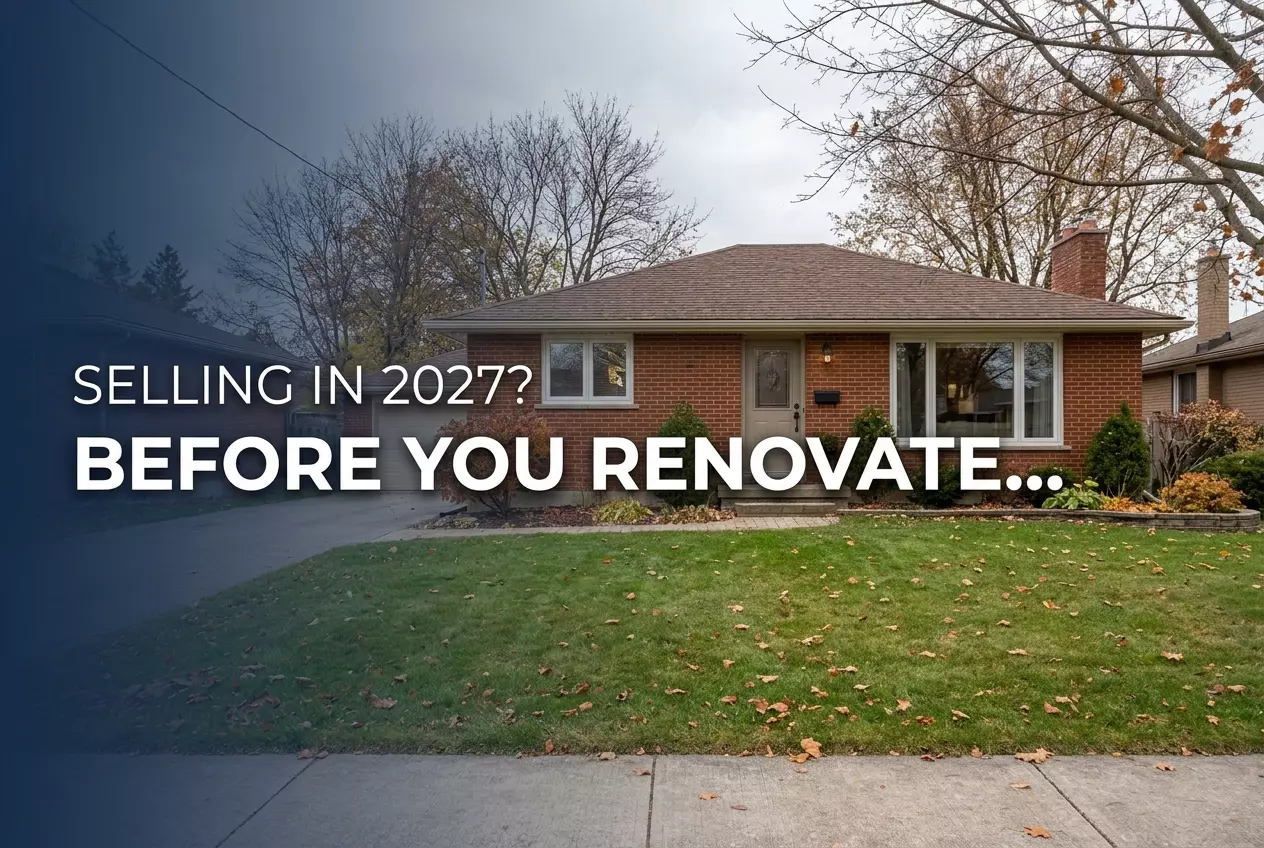
If you’re thinking about selling your home in 2027, take a look at the projects you’ve been putting off. Which ones would you want to finish before a buyer walks through? And which ones would you happily cross off the list if they weren’t worth doing?
Those questions are easier to answer now, while you still have room to get quotes, spread out the work and change your mind. Whether you’re aiming for January in Brantford or a spring listing in Paris, Cambridge or Kitchener, you can start with a short list and build a schedule around the date you want to go live.
Give yourself a few months of planning room if you can, especially if you’ll need trades, have years of belongings to sort through or are coordinating a purchase and a sale. The amount of time you need depends on the work your home actually needs.
If you’re aiming for January or February, use November and December to decide what stays on the list. Book any necessary service calls, start clearing storage and leave room for holiday schedules. Plan winter showings with a clear walkway, a tidy entrance and good lighting.
If you’re aiming for spring, use the winter for indoor work and decisions that take time. Sort through storage, collect quotes and arrange repairs. Put weather-dependent jobs, such as exterior paint touch-ups or yard cleanup, on the schedule for when conditions allow.
If your date is still flexible, start with a walkthrough and a rough budget. That gives you something concrete to work from when your plans firm up.
It’s easy to look at your home and see every finish you’d change if you were staying another five years. Preparing to sell calls for a different question: What would help buyers see the home clearly and feel comfortable making an offer?
Walk through the property with your agent and sort the list into repairs that need attention, modest updates that could improve presentation and projects you can skip. A sticking door, damaged trim or a poorly lit entry might deserve more immediate attention than replacing functional kitchen cabinets. If you’re considering something larger, ask what comparable homes offer and how the work would fit your budget and timing.
You can also start collecting renovation invoices, warranties, permits where applicable and service records. RECO recommends supporting the details in your listing with documentation where possible. It’s easier to find those records now than to hunt for them while the listing is being prepared.
A pre-listing inspection can give you time to understand an issue and decide how to handle it. That can be helpful if you’ve noticed recurring dampness, have questions about an older home or want a clearer picture of what may need attention before listing.
A general inspection is a visual review of accessible areas and systems. Weather can limit what an inspector sees. For example, if you’re selling in winter, ask what the inspector can assess if snow covers the roof. A buyer may also arrange their own inspection. If your main concern is one specific item, such as a furnace that’s been acting up, a service call from the appropriate trade may be a better first step.
Bring known issues and any inspection findings to your agent early. If you’re unsure whether something needs to be disclosed, ask your real estate lawyer for advice on your circumstances.
Pick one area you’ve been avoiding: the garage, a basement storage room or the front hall closet. Decide what’s coming with you, what can be donated and what you’ll need until moving day. A few manageable sessions can make the final cleanup easier.
Closer to photography, tackle the work that’s easiest to keep fresh once it’s done. That might include deep cleaning, final paint touch-ups, styling the main rooms and tidying the entrance. Schedule photography after the house is ready, and check the forecast if the exterior is an important part of the presentation.
Living in the home while it’s listed? Set up a quick routine for showings. Give coats and shoes a place to go, keep one basket handy for everyday items and decide in advance how you’ll handle pets during appointments.
Maybe your home needs a few repairs and a fresh coat of paint. Maybe the most useful thing you can do is clear the garage and book photography. Once you know what’s worth doing, you can budget for it and give yourself a realistic date to get it done.
Thinking of selling in Brantford, Brant County, Paris, Cambridge, Kitchener, Woodstock, Hamilton or elsewhere in Southern Ontario in 2027? Call Team OLIVIERI for a FREE, no-obligation Home Evaluation. We’ll talk through what to tackle first, which projects you can skip and how to get your home ready on your timeline.
--
Start when you have a rough listing window. If you’re aiming for early 2027, use the remaining weeks of 2026 to prioritize repairs, book appointments and begin decluttering. If you’re aiming for spring, use the winter for indoor work and schedule exterior tasks around the weather.
Do I need to renovate before selling?
It depends on your property and the homes it will compete with. Before committing to a major update, ask your agent to review comparable homes with you and weigh the cost, time and likely effect on how buyers see your property.
Is a pre-listing inspection worth it?
It can be useful if the findings would help you make a decision about repairs or budgeting. Ask what the inspection covers, what access or weather may limit and what it costs before booking. ontario.ca
What can I do now if I haven’t picked a listing date?
Start with decluttering, gathering property records and identifying any repairs you already know you need. These steps are useful even if your plans change.
Those questions are easier to answer now, while you still have room to get quotes, spread out the work and change your mind. Whether you’re aiming for January in Brantford or a spring listing in Paris, Cambridge or Kitchener, you can start with a short list and build a schedule around the date you want to go live.
Start With Your Listing Date and Work Backward
Give yourself a few months of planning room if you can, especially if you’ll need trades, have years of belongings to sort through or are coordinating a purchase and a sale. The amount of time you need depends on the work your home actually needs.If you’re aiming for January or February, use November and December to decide what stays on the list. Book any necessary service calls, start clearing storage and leave room for holiday schedules. Plan winter showings with a clear walkway, a tidy entrance and good lighting.
If you’re aiming for spring, use the winter for indoor work and decisions that take time. Sort through storage, collect quotes and arrange repairs. Put weather-dependent jobs, such as exterior paint touch-ups or yard cleanup, on the schedule for when conditions allow.
If your date is still flexible, start with a walkthrough and a rough budget. That gives you something concrete to work from when your plans firm up.
Talk to Your Agent Before You Spend on Updates
It’s easy to look at your home and see every finish you’d change if you were staying another five years. Preparing to sell calls for a different question: What would help buyers see the home clearly and feel comfortable making an offer?Walk through the property with your agent and sort the list into repairs that need attention, modest updates that could improve presentation and projects you can skip. A sticking door, damaged trim or a poorly lit entry might deserve more immediate attention than replacing functional kitchen cabinets. If you’re considering something larger, ask what comparable homes offer and how the work would fit your budget and timing.
You can also start collecting renovation invoices, warranties, permits where applicable and service records. RECO recommends supporting the details in your listing with documentation where possible. It’s easier to find those records now than to hunt for them while the listing is being prepared.
Decide Whether a Pre-Listing Inspection Makes Sense
A pre-listing inspection can give you time to understand an issue and decide how to handle it. That can be helpful if you’ve noticed recurring dampness, have questions about an older home or want a clearer picture of what may need attention before listing.A general inspection is a visual review of accessible areas and systems. Weather can limit what an inspector sees. For example, if you’re selling in winter, ask what the inspector can assess if snow covers the roof. A buyer may also arrange their own inspection. If your main concern is one specific item, such as a furnace that’s been acting up, a service call from the appropriate trade may be a better first step.
Bring known issues and any inspection findings to your agent early. If you’re unsure whether something needs to be disclosed, ask your real estate lawyer for advice on your circumstances.
Start Decluttering Now and Time the Finishing Touches for Photos
Pick one area you’ve been avoiding: the garage, a basement storage room or the front hall closet. Decide what’s coming with you, what can be donated and what you’ll need until moving day. A few manageable sessions can make the final cleanup easier.Closer to photography, tackle the work that’s easiest to keep fresh once it’s done. That might include deep cleaning, final paint touch-ups, styling the main rooms and tidying the entrance. Schedule photography after the house is ready, and check the forecast if the exterior is an important part of the presentation.
Living in the home while it’s listed? Set up a quick routine for showings. Give coats and shoes a place to go, keep one basket handy for everyday items and decide in advance how you’ll handle pets during appointments.
Use the Time You Have Before Listing
Maybe your home needs a few repairs and a fresh coat of paint. Maybe the most useful thing you can do is clear the garage and book photography. Once you know what’s worth doing, you can budget for it and give yourself a realistic date to get it done.Thinking of selling in Brantford, Brant County, Paris, Cambridge, Kitchener, Woodstock, Hamilton or elsewhere in Southern Ontario in 2027? Call Team OLIVIERI for a FREE, no-obligation Home Evaluation. We’ll talk through what to tackle first, which projects you can skip and how to get your home ready on your timeline.
--
Frequently Asked Questions (FAQ)
When should I start preparing to sell my home in 2027?Start when you have a rough listing window. If you’re aiming for early 2027, use the remaining weeks of 2026 to prioritize repairs, book appointments and begin decluttering. If you’re aiming for spring, use the winter for indoor work and schedule exterior tasks around the weather.
Do I need to renovate before selling?
It depends on your property and the homes it will compete with. Before committing to a major update, ask your agent to review comparable homes with you and weigh the cost, time and likely effect on how buyers see your property.
Is a pre-listing inspection worth it?
It can be useful if the findings would help you make a decision about repairs or budgeting. Ask what the inspection covers, what access or weather may limit and what it costs before booking. ontario.ca
What can I do now if I haven’t picked a listing date?
Start with decluttering, gathering property records and identifying any repairs you already know you need. These steps are useful even if your plans change.
Categories:
Sellers Resource Hub
We would like to hear from you! If you have any questions, please do not hesitate to contact us. We are always looking forward to hearing from you! We will do our best to reply to you within 24 hours !